Table Of Content
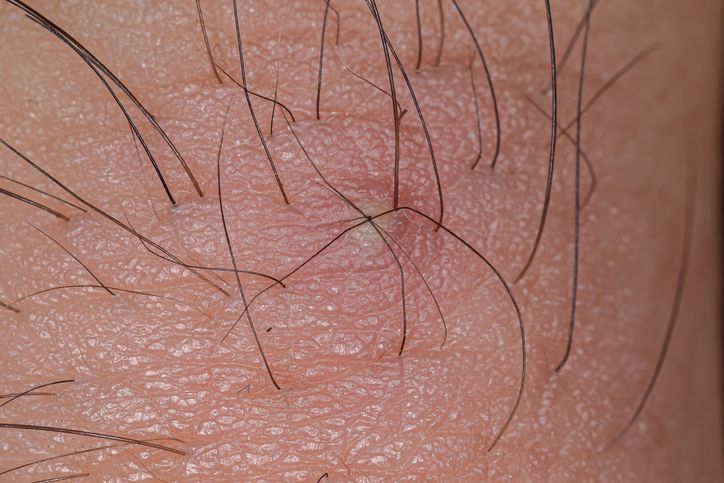
Sometimes they leak a clear, mucus-like liquid, other times they weep pus, and in some instances they’re not filled with fluid at all, says Dr. Dweck. These cysts can be painful, but if they’re small and not infected, you may not even notice them. That said, if a cyst gets bigger, you might feel it alongside the opening of your vagina (it’ll usually only be on one side), according to the Mayo Clinic3. Hair structure and direction of growth play a role in ingrown hair. A curved hair follicle, which produces tightly curled hair, is believed to encourage the hair to reenter the skin once the hair is cut and starts to grow back.
Skin Tags Ingrown Hairs Difference Vagina Bumps - Refinery29
Skin Tags Ingrown Hairs Difference Vagina Bumps.
Posted: Tue, 20 Dec 2016 08:00:00 GMT [source]
Ingrown Hair Symptoms
When you shave, the shortened hair can curl back and grow into your skin. Rub on a lubricating shave cream or shave gel that’s designed for sensitive areas. Benzoyl peroxide cream is an ingredient found in OTC acne treatment that can help dry up the affected area and reduce redness. If you have diabetes or a weakened immune system for any reason and develop a boil, contact your healthcare provider. Bacteria from the boil can spread to other parts of your body or enter your bloodstream. If this occurs, your heart, bones, brain or other organs could be at risk for infection.
What happens if an infected ingrown hair goes untreated?
Sometimes you can see your hair curled into the skin, and it may feel tempting to grab a pair of tweezers and pull it out. Because the hair should grow out of (not back into) the skin, this causes an often-painful skin reaction. As an ob-gyn, I want you to know that pubic hair is normal. Whether to groom or let it grow is your choice—no one else’s.
What happens if the ingrown hairs get infected?
Hair structure and the direction of growth are factors in developing ingrown hair bumps. Although anyone can develop ingrown hairs, they are more common in people with curly hair. This is because curly hair is more likely to curl around and grow back into your skin. If your ingrown hairs aren’t going away with at-home treatments and a good skincare routine, or if you’re ingrown hairs become infected, call your healthcare provider.
If your doctor thinks you may have developed an infection, they might prescribe oral or topical antibiotics to treat it, the Mayo Clinic says. If you do happen to get some painful ingrown hairs around your vulva (or anywhere, really), you’ll want to act quickly to calm the inflammation and irritation. Products that contain a chemical exfoliant like lactic, glycolic, or salicylic acid can help dissolve dead skin cells that trap ingrowns, Dr. Conrad says. —with the help of a chemical exfoliant-containing cream or lotion or just by using a washcloth in the area before removing the hair can help prevent ingrowns from forming. Anyone who shaves, tweezes or waxes their hair can develop ingrown hairs.

There is not a quick way to get rid of a boil near your vagina. Antibiotics from your healthcare provider may help speed up the healing process. Applying a warm compress several times a day to the area is the best way to get rid of a vaginal boil. In severe or persistent ingrown pubic hairs, seeking professional assistance may become imperative. When you have itchy pubic hair and no lice, a common cause may actually be a yeast infection. "The irritation may be either inside the vagina or on the outside skin or vulva," Dr. Shirazian says.
Have Bumps On Your Vagina? Here's What It Might Be - Shape Magazine
Have Bumps On Your Vagina? Here's What It Might Be.
Posted: Tue, 08 Feb 2022 08:00:00 GMT [source]
Can Ingrown Pubic Hairs Be Prevented?
You’ll need to wait for any bumps, irritation, pain, and other symptoms to heal before you carry on with hair removal. Unfortunately, that could take a while—anywhere from one to six months. In the meantime, don’t scratch the area because this can lead to more irritation and possibly a bacterial infection if you break the skin, Dr. Goldenberg says. An ingrown hair looks like a raised, discolored spot on your skin. It’s a strand of hair that grows back into your skin after shaving, tweezing or waxing. Ingrown hairs can affect anyone, but they’re easy to treat and prevent with the right hair removal practices.
Treatment typically includes topicals like steroid creams to reduce inflammation and irritation and soothe skin. The science behind this observation was that removing pubic hair also removes clusters of bacteria that reside in and around the hairs. These may have a protective effect, preventing the invasion of other bacteria, such as one of the main causes of UTIs e-coli.
What’s the deal with pubic hair?
Folliculitis occurs when damaged or blocked hair follicles create the ideal environment for bacteria or fungus to grow. The neck, armpits, groin, and genitals are the areas most commonly affected. If you took all the precautions and still end up with angry, irritated pubes, don't fret. Here, your game plan for how to get rid of an ingrown pubic hair.
Copyright 2024 by the American College of Obstetricians and Gynecologists. Read copyright and permissions information.This information is designed as an educational aid for the public. It offers current information and opinions related to women's health. It is not intended as a statement of the standard of care.
No matter what that bump on your vaginal area may look like, don’t convince yourself it’s probably harmless if you’re truly uncomfortable with it. If it is something that needs treatment, a doctor can walk you through your options. And as all the ob-gyns we spoke to have said, even if it’s no big deal, doctors are more than happy to check you out and put your mind at ease. Soaps, detergents, and even fabric softeners are common culprits, and the bumps usually lead to moist, weeping blisters that are very itchy.
A barrier cream can protect the skin and reduce friction between skin folds. An OTC steroid cream like Cortizone 10 (hydrocortisone) may help reduce inflammation along with good skin hygiene. Talcum powder can help prevent skin from sticking together. There are no OTC medications approved to treat scabies, so it's important to see a healthcare provider for a prescription of permethrin 5% cream or malathion 0.5% lotion. These topical treatments should relieve the infestation within a few days.
In a study of 220 people with eczema, 45 percent said they had genital eczema at some point, per a March 2021 study in The Journal of Dermatology. The same skin conditions that can affect your face, arms, legs and other areas of your body can also affect the skin on your genitals. In fact, according to the American Academy of Dermatology (AAD), people who have psoriasis will often have a flare-up of symptoms like itching, pain and burning in the genital area. Another possible consequence of shaving (or waxing), an ingrown hair is a hair that grows into your skin, according to the Cleveland Clinic. To prevent irritation in the future, trimming pubic hair is the safest bet, according to the American College of Obstetricians and Gynecologists.
She has worked as a nutrition consultant and has written numerous health and wellness articles for various online publications. She has also served in the Navy and is pursuing a Bachelor of Science in health administration from the University of Phoenix. Your vagina is a self-cleaning oven, but you’ll still want to make sure you regularly rinse the vulva with plain water or water and mild soap, Dr. Greves says. The answer is the ever-frustrating “it depends,” because the appearance of these bumps really can vary. “There are so many different potential causes for bumps on your labia, and each one can look a little different,” Dr. Greves says. Severe cases may require a prescription antibiotic or antifungal cream.
Treatment for ingrown hair cysts varies depending on the type of cyst involved. Some cysts may need to be treated with antibiotic ointment or surgery, while others may not need any treatment at all. Ingrown hair cysts are not the same thing as cystic acne, which are bumps that form under a skin follicle when there is a buildup of bacteria, oil, and dead skin cells. Taking measures to prevent ingrown hairs and treating any infections promptly can help prevent these.
If an infection occurs, you may need to see a healthcare provider for a prescription topical antibiotic or antifungal lotion. Psoriasis occurs when the immune system attacks normal skin cells with inflammation. When this happens, skin cells will start to grow at a rapid rate, forming itchy plaques and lesions. The best way to relieve contact dermatitis is to avoid the offending agent. The itch should go away on its own, but if it persists, contact your healthcare provider.




No comments:
Post a Comment